
Why Food-Grade Fixtures Matter in Water Treatment — Especially for Avoiding PFAS
When it comes to water treatment, the focus is usually on filters, media, or advanced purification technology. But there's a critical detail that often gets overlooked: the fixtures and fittings that water flows through. If those components aren't food-grade, your "clean" water could still be exposed to contamination — including dangerous chemicals like PFAS.
Here's why food-grade fixtures are essential for water systems, especially for protecting your home and family.
1. Preventing Chemical Leaching (Including PFAS)
Food-grade materials are specifically engineered not to leach harmful substances into the water. This is especially important with growing concerns around PFAS (per- and polyfluoroalkyl substances) — a group of man-made chemicals found in everything from cookware to firefighting foam and industrial waste.
According to the U.S. Environmental Protection Agency, PFAS can contaminate water supplies and pose health risks even at very low levels of exposure, including immune system impacts, developmental effects in infants, and increased cancer risk (EPA, 2023).
Using non-certified plumbing components could actually introduce PFAS or other contaminants into your water — defeating the purpose of your filtration system.
2. Why Cheaper Systems Can Put You at Risk
You may find water treatment units online — especially on sites like Amazon or discount retailers — that look like a great deal. But what they don't show you is the material quality.
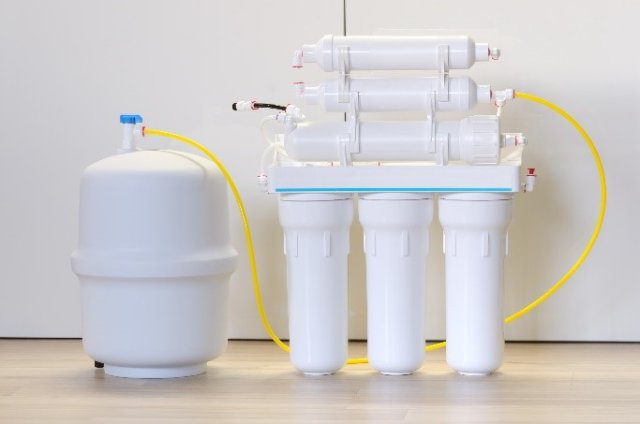
Most low-cost units:
- Use low-grade plastic or metal that hasn't been tested for food or water safety
- Do not meet NSF or FDA standards
- May leach unknown or unregulated chemicals into your water
These units might be advertised as "filters," but without proper certification, they may introduce more risk than they reduce. NSF International warns that products not certified to NSF/ANSI standards can lead to improper filtration and harmful exposure to chemicals leaching from materials.
In contrast, professional water treatment systems from certified providers are tested and approved for long-term use, contact with drinking water, and durability under pressure and temperature changes.
3. Ensuring Long-Term Material Integrity
Food-grade fixtures are designed to handle:
- Water pressure
- Temperature shifts
- Routine cleaning and sanitation procedures
Materials like 316 stainless steel, food-grade silicone, and NSF-approved plastics are tested to resist breakdown and avoid releasing microplastics or chemicals over time. NSF/ANSI 61 standards confirm that certified products won't degrade and contaminate water through chemical leaching.
4. Preventing Bacteria and Contaminant Buildup
Most food-grade fittings are made with smooth, non-porous surfaces designed to resist biofilm formation and microbial contamination. This is vital in preventing secondary water contamination.
The World Health Organization emphasizes that materials in contact with drinking water should not support microbial growth or contribute to contamination (WHO, Guidelines for Drinking-Water Quality).
5. Meeting Health & Safety Standards
Agencies like the FDA and NSF International have established rigorous criteria for products that touch food and water:
- FDA CFR Title 21 regulates materials that can safely come into contact with food and beverages.
- NSF/ANSI 61 certification ensures that plumbing products and water system components do not leach harmful levels of contaminants into drinking water.
Products bearing the NSF certification mark have been independently tested and comply with strict safety and performance requirements.
The Bottom Line
When you're investing in a water treatment system, it's wise to choose a full-service company that stands behind its products and services. Look for a provider with a strong warranty, professional installation, and dependable maintenance, so your system performs at its best for years to come. Just as important, make sure the company is properly certified and uses food-grade fixtures and high-quality materials — and choose one with a long-standing reputation for quality and customer satisfaction you can trust to be there when you need them most.
If you're installing or upgrading a water treatment system, don't cut corners on the fixtures. Cheap parts might save money upfront, but they could expose your family to PFAS, microplastics, or bacterial buildup.
Clean water is only as safe as the materials it touches — make sure every part that contacts your drinking water is food-grade and certified.
See What's Really in Your Water
At Pure H2O of Ohio, every system we install is built with NSF/WQA-certified, food-grade components — because the materials touching your water matter as much as the filtration itself. We've been helping families across Columbus, Cincinnati, and Dayton get cleaner, safer water since 1999.
The best place to start is knowing exactly what you're working with. Schedule a free in-home water test, and we'll walk you through your results and the certified options that fit your home.
Schedule your free water test →
Prefer to talk it through? Call us: 📞 (614) 953-6010